The 2026 World Cup is coming to Canada, and this guide is built for fans who want more than a basic schedule. You already know the big headline: Canada is a co host, and matches are set for Toronto and Vancouver. What you need next is the real how to, like where to stay, how to move around fast on game day, and what to expect with tickets in early 2026.
This page is your practical Canada focused hub for the 2026 World Cup. It will cover confirmed match dates, what Group B could look like for Canada, and the fan experience around BMO Field in Toronto and BC Place in Vancouver. You will also get travel tips that save time and money, plus clear answers to the questions people keep asking, like tickets, entry rules, and where to watch away games with other supporters.
If you are planning your trip, picking your base city, or just want a smarter way to follow the 2026 World Cup in Canada, you are in the right place.
Table of Contents
FIFA World Cup 2026 Canada Guide: Schedule, Tickets, and Group B Analysis
If you are planning your summer around the 2026 World Cup, start here. This section gives you the fastest answers first, then points you to the parts that help you plan the full experience in Toronto and Vancouver. It is built for Canada based fans who want clear match info, ticket timing, and smart game day tips in one place.
Direct Answer Box: Canada’s Confirmed Matches
Canada match 1
- Date: June 12, 2026
- City: Toronto
- Opponent: UEFA Playoff A Winner (Italy, Wales, Bosnia, or Northern Ireland)
Canada match 2
- Date: June 18, 2026
- City: Vancouver
- Opponent: Qatar
Canada match 3
- Date: June 24, 2026
- City: Vancouver
- Opponent: Switzerland
Live Update Badge
Last Updated: Feb 17, 2026
Post ballot ticket results included.
What this guide helps you do
This is not a copy of a schedule page. It is a practical fan hub for the 2026 World Cup in Canada. You will get the details that matter when you are making real decisions.
- Pick the right base city: Toronto vs Vancouver, based on match dates and travel time.
- Plan game day transport: simple routes that avoid the worst traffic and delays.
- Track ticket moves: what the recent ballot means and what to watch next.
- Follow the group story: why Canada’s matchups matter and what the opener could look like.
Where to go next in this article
- Group B breakdown: Canada’s path and the key matchups that shape the group.
- Toronto survival guide: stadium area tips, fan festival details, and the fastest ways in and out.
- Vancouver survival guide: transit from the airport, fan zones, and match day planning near BC Place.
- Tickets and logistics: what to do now, what comes next, and how to avoid common mistakes.
If you only read one part before you book anything, read the ticket section and the two city guides. They will save you time and stress when the 2026 World Cup rush hits.
Group B Breakdown: Can Canada Advance?
Canada has a real shot to push through the group stage at the 2026 World Cup, but the path will depend on details that most schedule pages ignore. The opponent list matters, but the style matchups matter more. Canada’s pace, pressing, and transition play can win games fast. It can also get punished if the midfield loses control for long stretches.
Canada’s Path to the Round of 32
At the 2026 World Cup, the group stage is not only about “win or go home.” It is about collecting points, managing goal difference, and knowing when a draw is a good result. Canada’s three group matches include one high pressure opener and two games that can swing the whole group.
Here is the simplest way to think about Canada’s goals in this group:
- Target 4 points minimum. A win and a draw is usually a strong base.
- Protect goal difference. One heavy loss can turn the last match into a must win.
- Start clean in the opener. The first match shapes confidence, crowd energy, and tactics for match two.
- Use home support wisely. Toronto and Vancouver will feel like true home matches, so Canada needs to feed off that energy without losing shape.
If Canada gets an early win, the 2026 World Cup group suddenly becomes a math problem in Canada’s favor. If Canada drops points early, the margin gets smaller fast, and the final match can turn into a stress test.
Tactical Preview: Switzerland and Qatar
Canada’s group includes Switzerland and Qatar. These are very different problems, and that is good news for planning. It means Canada can prepare two clear game plans instead of one mixed style.
Switzerland: midfield control and patience
Switzerland usually plays with structure, calm passing, and strong midfield control. If Granit Xhaka is part of the midfield group, he brings tempo control and smart positioning. Canada cannot treat this like a track meet. At the 2026 World Cup, Switzerland will try to slow the game, pull Canada out of shape, and then punish gaps.
What Canada can do well here:
- Press in waves, not nonstop. A constant press can fade late and open space.
- Force play wide. Make Switzerland build through wide zones instead of clean central lanes.
- Win second balls. The match can be decided by who wins loose balls near midfield.
- Attack quickly after turnovers. Switzerland is most exposed right after losing the ball.
This match can be a tight scoreline game. At the 2026 World Cup, a disciplined draw can still be a good result if Canada gets points elsewhere. But if Canada scores first, it changes everything. Switzerland then has to chase, and Canada can attack space.
Qatar: manage speed, then strike
Qatar can be tricky because teams sometimes expect an easy match and play loose. Canada should not do that. At the 2026 World Cup, Qatar can punish basic mistakes, especially if Canada gets careless in buildup.
What Canada can do well here:
- Keep the back line organized. Do not give away simple counters.
- Use width and speed. Stretch the field and create 1v1 moments.
- Shoot with purpose. Create shots from good zones instead of hopeful long range hits.
- Set piece focus. A corner or free kick can decide a match like this.
This is a match Canada should aim to win at the 2026 World Cup. If Canada takes three points here, the group becomes much easier to manage.
The Playoff A Mystery: Who will Canada face in the opener?
Canada’s opener is listed against the UEFA Playoff A winner. That group includes Italy, Wales, Bosnia, and Northern Ireland. This is the one matchup that can change the whole feel of the 2026 World Cup group for Canada.
Each possible opponent creates a different type of match:
- Italy: high game control, tactical discipline, and a strong ability to manage tempo.
- Wales: direct moments, tough duels, and emotional momentum swings.
- Bosnia: experienced pieces and a style that can punish mistakes if Canada loses focus.
- Northern Ireland: compact defending, hard challenges, and a game that can become physical.
If the playoff games happen close to March 2026, that timing matters for scouting and planning. It also affects fan expectations. The opener at the 2026 World Cup is not just match one. It is the match that sets the whole month’s tone for Canada.
How Jesse Marsch’s style fits this group
If Canada leans into Jesse Marsch’s high press ideas, the key is control. A press without control turns into chaos. At the 2026 World Cup, chaos can win a moment, but it can also cost you a late goal.
Canada’s best version in this group looks like this:
- Press hard in planned bursts.
- Keep midfield spacing tight.
- Win the ball, then attack quickly through the most direct lane.
- Use pace from wide areas to create chances early.
Canada does not need to dominate possession to advance at the 2026 World Cup. Canada needs to win the moments that decide matches: transitions, set pieces, and the first 15 minutes of each half.
If Canada takes care of those moments, Group B becomes a group Canada can escape.
Host City Survival Guides for Canada Fans
Planning the 2026 World Cup in Canada is not only about the match. It is also about where you sleep, how you move, and how you avoid the time traps that hit first time visitors. Toronto and Vancouver are both great hosts, but they work very differently. Use this section to plan like a local, even if it is your first trip.
Toronto: More Than Just BMO Field
Toronto is busy, spread out, and full of small areas that feel like their own city. For the 2026 World Cup, the smartest move is to stay and travel based on transit, not based on what looks closest on a map.
Venue basics: Toronto Stadium and the match day vibe
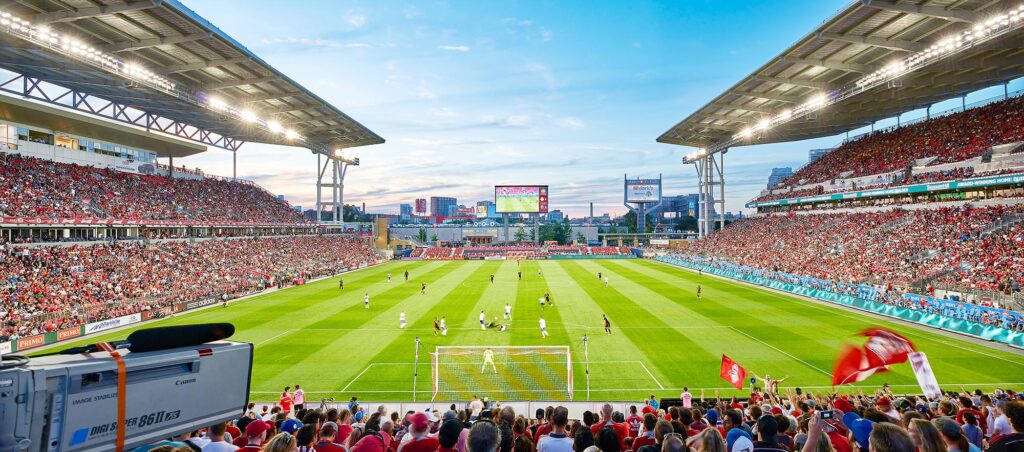
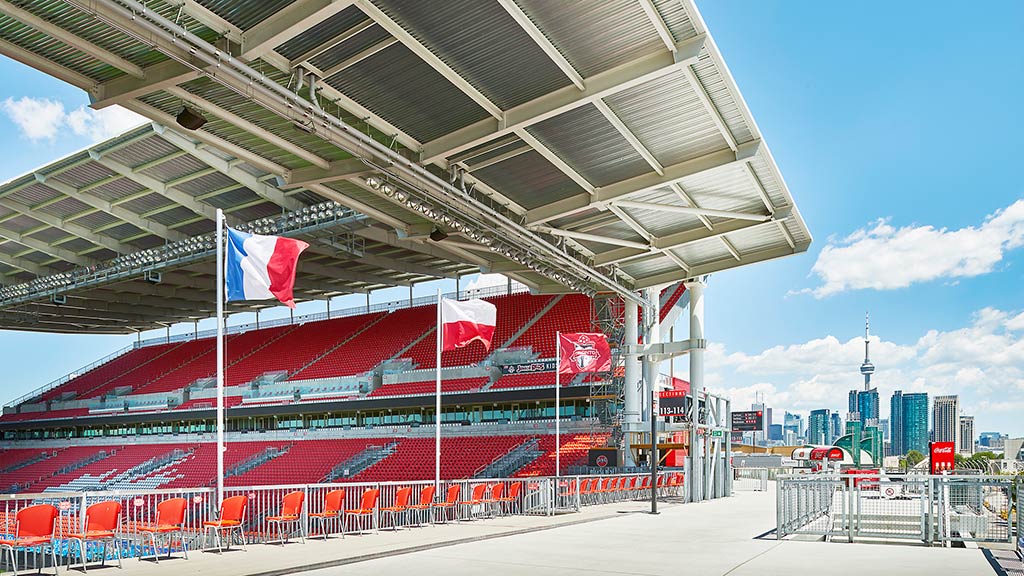
BMO Field is the match venue, often called Toronto Stadium in event materials. Match days around Exhibition Place can get crowded fast, so your plan should focus on arrival timing, entry lines, and your exit route after the final whistle. For the 2026 World Cup, assume heavier security checks than a regular league match.
What to do before you go
- Arrive early to handle lines and security without stress.
- Save a map of Exhibition Place on your phone, since signal can get slow in big crowds.
- Pick a meeting point for your group in case someone gets split up.
Fan Festival: Fort York and The Bentway
Toronto’s fan festival plans often point to the Fort York area and The Bentway zone. That is a good location because it is close enough to feel like match energy, but not locked into the tight stadium perimeter. For the 2026 World Cup, a fan festival is also a smart option if you could not get tickets but still want the shared crowd experience.
Quick local tips
- Go early if you want good viewing spots.
- Eat before peak hours so you do not spend half the match in a food line.
- Bring a small portable charger since you will use your phone all day.
The key transport move: GO Train to Exhibition Station
Here is the real game day hack for Toronto. Instead of relying on rideshare, use the GO Train and aim for Exhibition Station. The area around the Gardiner Expressway can choke with traffic during big events, and rideshare prices can spike hard. For the 2026 World Cup, this is one of the easiest ways to save both time and money.
Simple route idea
- Use GO Transit to Exhibition Station when possible.
- Walk to the stadium area from there with the crowd.
- After the match, leave with a plan, since the first wave of people can fill platforms.
Where to stay for a smooth trip
For the 2026 World Cup, pick your hotel area based on your daily plan.
Good bases for most fans
- Downtown Core: best if you want nightlife, restaurants, and easy access to multiple transit lines.
- West End near transit: good if you want a calmer stay and a faster path to Exhibition Place.
- Near Union Station: best if you plan day trips and want strong train access.
If your goal is a stress free match day, avoid booking “cheap but far” if it adds long travel time. Toronto traffic can turn a short distance into a long trip.
Vancouver: Soccer on the Pacific Edge
Vancouver feels smaller than Toronto, but it has its own timing problems. The city can bottleneck around the downtown core, and hotel prices can jump. For the 2026 World Cup, your best move is to lock down your transit plan first, then build your day around it.
Venue basics: BC Place and the bigger match slate
BC Place is downtown, which makes it easy to reach by transit and on foot. It is also set for multiple matches, with talk of a seven match slate that can include a knockout round. If you are coming for the 2026 World Cup, that higher match volume can bring extra crowd days beyond Canada’s group games.
What to expect near the stadium
- Dense downtown foot traffic before and after matches.
- Busy restaurants and long waits if you try to eat right at peak hours.
- A very walkable area if you stay downtown, which can reduce your need for taxis.
Fan Festival: Hastings Park and PNE Amphitheatre
Vancouver’s fan festival plans often point toward Hastings Park and the PNE Amphitheatre area, which has been described at times around a 10,000 capacity setup. It is a strong choice for fans who want atmosphere without being packed into the stadium perimeter all day. For the 2026 World Cup, this can also be your backup plan if your travel group splits between ticket holders and non ticket holders.
Fan day checklist
- Pack a light rain layer. Vancouver weather can change fast.
- Wear comfortable shoes. You will walk more than you think.
- Plan one key meetup time and location, since crowds can be loud and busy.
The best airport to downtown move: Canada Line
Here is the Vancouver money saver. If you fly into Vancouver International Airport, use the SkyTrain Canada Line to reach downtown. It is usually far cheaper than rideshare, and it avoids surge pricing. For the 2026 World Cup, this is one of the easiest wins you can take.
Fast planning tip
- Know your stop near your hotel before you arrive.
- If you are carrying bags, travel outside the busiest commuter times when possible.
- Keep your ticket handy until you exit.
Where to stay for an easier match day
For the 2026 World Cup, Vancouver hotel choices should match your priorities.
Strong options for most fans
- Downtown: best for walking to BC Place and having lots of food options.
- Along SkyTrain lines: best value if downtown prices spike, while still keeping travel simple.
- Near waterfront areas: great views and a calm vibe, but check your transit route.
Vancouver is very pleasant on foot, but distances can add up if you stay too far out. Pick a spot that keeps your match day simple, even if it costs a bit more.
Quick decision guide: Toronto vs Vancouver
If you are choosing one city to base your trip around the 2026 World Cup, use this quick logic.
- Pick Toronto if you want more nightlife, more neighborhoods, and easier connections to other Ontario trips.
- Pick Vancouver if you want a compact downtown, strong rail links, and a scenic trip with mountains and ocean nearby.
- If you are following Canada through the group, consider splitting the trip and flying between cities, since the match dates are spaced out.
Next up, the ticket and logistics section will focus on what to do after the February ballot, what the resale path is likely to look like, and how to plan travel before prices jump for the 2026 World Cup.
Ticketing and Logistics That Actually Help
Getting set for the 2026 World Cup is mostly about timing. Most people miss tickets because they wait for a “perfect” announcement, then find out the main waves are already gone. This section gives you a clear, action based plan for February 2026, plus what to watch next so you are not reacting at the last minute.
How to Secure Last Minute Tickets (Feb 2026 Update)
If you entered the Feb 6 to Feb 9 ticket ballot window, you already know the process can feel unclear. Results often arrive in waves, and payment steps can be time sensitive. For the 2026 World Cup, the best approach is to treat ticketing like a checklist, not a one time event.
Do this right now
- Check the email tied to your FIFA ticket account and search for “ticketing” and “FIFA.” Some updates land in spam or promotions.
- Log in and confirm your profile details like name format and payment method. Small mismatches can cause failed payments.
- Set a payment backup like a second card, since high volume days can create bank security flags.
- Track what you applied for so you know what to try again if you did not get your first choice.
If you did not get tickets in the ballot
You are not out. The 2026 World Cup ticket process usually has multiple phases, and the best fan strategy is to stay active through the year.
Here is how fans typically recover after a missed ballot:
- Try the next official sales phase fast. The best seats go early, but more inventory can show up later.
- Be flexible with match choice. Some matchups sell out faster than others, even in the same city.
- Consider single match tickets. Many people chase packages, but single match drops can be easier to grab.
- Check for official releases close to the event. Organizers sometimes release held inventory later.
The Resale Platform (Spring 2026) and Why It Matters
For the 2026 World Cup, the resale platform is the safest path for people who want real tickets without gambling on sketchy sellers. Many fans ignore resale because they assume it is overpriced or hard to use. The truth is that official resale is often the cleanest way to secure seats when plans change.
Why official resale is your best bet
- It reduces the risk of invalid tickets.
- It keeps delivery inside the same official account system.
- It gives you a clear proof of purchase trail.
What to do to prepare for resale
- Make sure your FIFA ticket account is fully set up.
- Turn on notifications if the portal supports it.
- Decide your max price in advance so you can buy quickly when listings appear.
If you plan to travel for the 2026 World Cup, treat resale as part of your travel plan. Do not book non refundable flights if you have no ticket path at all. If you do book early, use refundable options where possible.
Travel Between Toronto and Vancouver
A lot of fans will try to do both cities. It is doable, but you need to plan around distance. Toronto and Vancouver are far apart, and flying is the realistic move. For the 2026 World Cup, the key is to lock in your travel plan before prices jump closer to June.
What to know
- The flight is roughly five hours, and airport time adds more.
- You will lose time to time zones when you travel west or east.
- Hotel demand rises fast around match dates.
Smart booking tips
- Book flights earlier if you can, especially if your dates match Canada’s games.
- Watch Air Canada and WestJet for domestic route changes and price swings.
- Avoid tight connections on match day. Build buffer time for delays and crowds.
If you are doing Toronto first and then Vancouver, plan your travel day so you land with enough time to rest. The 2026 World Cup match day experience is better when you are not exhausted before kickoff.
Game Day Logistics That Save You Stress
Tickets are one part. The rest is getting in and out without wasting hours. For the 2026 World Cup, expect heavy security, long entry lines, and busy transit after the match.
Use these simple rules:
- Arrive early. Early arrival is the easiest stress reducer.
- Bring only what you need. Lighter bags move faster through checks.
- Pick an exit plan before kickoff. Decide your meeting point and route.
- Eat outside peak times. Food lines can burn an hour if you hit them at the same moment as everyone else.
If you follow this ticket and travel plan, you will feel in control of the 2026 World Cup trip instead of chasing updates in a panic. Next, the FAQ section will answer the top Canada based questions, including auto qualification, entry rules, and where to watch away games with other supporters.
2026 World Cup Frequently Asked Questions
Is Canada automatically qualified for the tournament?
Yes. Canada is automatically qualified as a host nation for the 2026 World Cup.
Do I need a visa to visit Canada for matches?
It depends on your passport and how you enter. Many visa exempt travellers need an Electronic Travel Authorization (eTA) to fly to or transit through a Canadian airport. The eTA rules also depend on whether you arrive by air versus land or sea, so check your situation before you book flights for the 2026 World Cup.
When should I arrive at the stadium on match day?
Plan to arrive early. Big tournaments usually mean added security checks, longer entry lines, and crowded transit right before kickoff. For the 2026 World Cup, early arrival also helps you avoid the stress of last minute gate searches and packed food lines.
A simple rule that works for most fans:
– Arrive early enough to clear security, find your seat, and still have time for water and food.
What is the safest way to buy tickets if I missed a ballot?
Use official FIFA sales phases and the official resale path when it opens. Official resale is usually the safest route because it reduces the risk of invalid tickets and keeps your ticket inside the official account system. This matters a lot during the 2026 World Cup, when scams spike and social media resellers get aggressive.
How should I plan Toronto and Vancouver travel if I want both cities?
Treat this like two separate trips connected by a flight. Toronto and Vancouver are far apart, so flying is the realistic plan for most fans. If you want both stops during the 2026 World Cup, build in rest time and do not schedule travel on the same day as a match unless you have a big time buffer.
Where are the best sports bars to watch away games in Toronto?
If you want a strong crowd, big screens, and an easy downtown meetup, start with these two spots. They are often mentioned in Toronto sports bar roundups and soccer bar guides, so they are a good first pick for the 2026 World Cup viewing vibe.
– Real Sports Bar and Grill
– The Pint Public House
Tip: show up early for big Canada matches, especially if it is a weekend kickoff.
Where are the best sports bars to watch away games in Vancouver?
Downtown Vancouver has several reliable options close to transit. These two are commonly listed for soccer viewing and big match atmosphere, which is what you want during the 2026 World Cup.
– Shark Club Sports Bar and Grill
– The Pint Public House
Tip: pick one bar as your “home base” and get there early, since many places hit capacity fast on peak match days.
What should I do right now if I am still planning my trip?
If the 2026 World Cup is your main summer trip, do these three things now:
– Confirm your entry requirements for Canada if you are flying.
– Choose your base city based on match dates and transit ease, not just hotel price.
– Decide your ticket plan for the next sales phase and official resale, so you can act fast when inventory appears.
If you want, I can write the next section with a tight comparison table and a weekly update block that keeps the 2026 World Cup page fresh without turning it into a news feed.
Fan Zones and Viewing Parties Across Canada
Not everyone will get match tickets, and many fans will watch most games in public. That is still a huge part of the 2026 World Cup experience in Canada. The best viewing plan is simple: pick one “home base” spot in your city, arrive early, and have a backup location within walking distance.
What to expect at fan zones
Fan zones usually offer big screens, food vendors, security checks, and a family friendly setup. For the 2026 World Cup, expect higher crowd control on Canada match days, plus bag rules and entry lines.
Smart fan zone tips
- Arrive early if you want a good view.
- Bring a small portable charger.
- Wear comfortable shoes, since you will stand a lot.
- Eat before peak time so you do not miss key moments.
City by city viewing ideas
You can build a “watch map” section that helps people choose a place quickly. For the 2026 World Cup, that kind of local help keeps readers on the page.
Toronto
- Downtown sports bars near major transit stops
- West End pubs near streetcar lines
- Community watch events in parks when announced
Vancouver
- Downtown near BC Place for a big match crowd feel
- Spots along SkyTrain lines for easier travel
- Waterfront areas for a calmer pre match hangout
Montreal
- Central neighborhoods with big patio bars
- Soccer focused pubs that play sound on
Calgary and Edmonton
- Sports bars with large screens and reservation options
- Local supporter group meetups
Ottawa
- Downtown venues near transit
- University area spots with younger crowds
This section works best when you keep updating it as official watch events get announced for the 2026 World Cup.
Match Day Checklist for Toronto and Vancouver
Crowds, transit, and entry lines are what break a match day. A good checklist fixes that. For the 2026 World Cup, your goal is to reduce stress and avoid wasted time.
What to pack
- Photo ID that matches your ticket account
- Phone, charger, and a backup battery
- Water bottle if allowed by venue rules
- Light rain layer for Vancouver
- A small snack for long entry lines
- Earplugs if you are sensitive to loud noise
What to do before you leave your hotel
For the 2026 World Cup, do these steps before you step outside:
- Screenshot your ticket and key confirmation screens.
- Save stadium directions in offline mode.
- Pick a meetup point near the venue.
- Check transit status and allow extra time.
Arrival and exit plan
- Arrive early to handle checks and find your seat.
- Avoid peak entry time if you can.
- After the match, walk a few blocks before you call a ride.
- Use transit when possible, since roads can jam.
This is the kind of section people share with friends right before the 2026 World Cup match day.
How to Watch the Matches at Home in Canada
Many fans will watch most games at home, even if they attend one match in person. A clear “watch plan” section helps readers and also fits the 2026 World Cup intent behind a lot of searches.
The safe way to plan your viewing
- Use official broadcasters or licensed streaming services available in Canada.
- Avoid random links or unverified streams, since they can be unsafe and unreliable.
- Test your setup a week before the tournament, not on match day.
Home viewing setup tips
For the 2026 World Cup, small upgrades make a big difference:
- Use a wired connection if possible for stable streaming.
- If you use Wi Fi, place your router closer to your TV device.
- Close other heavy downloads during matches.
- Keep a backup device ready, like a tablet or laptop.
Group watch tips
- Assign one person to handle the stream setup.
- Decide kickoff time rules, like “no spoilers if someone is late.”
- Have snacks and drinks ready before the match starts.
This section is practical and evergreen, and it supports the 2026 World Cup keyword theme without needing daily news updates.
Conclusion
The 2026 World Cup in Canada is not just a set of match dates. It is a full travel and fan experience that rewards planning. If you lock in your ticket strategy, pick the right base city, and follow the transit tips for Toronto and Vancouver, you will spend less time stuck in lines and more time enjoying the tournament. Keep this page saved and check the update box as June gets closer, because small changes can affect your plans fast during the 2026 World Cup.
Final CTA: Watch Every Match With Apollo Group TV
If you want a reliable way to follow the 2026 World Cup from anywhere in Canada, choose a plan that fits your setup and your household.
- Best for one screen: 12 Months, 1 Device
- Best for couples or shared homes: 24 Months, 2 Devices
- Best for families: 12 Months, 4 Devices